Buy ecocilento.eu ?
We are moving the project
ecocilento.eu .
Are you interested in purchasing the domain
ecocilento.eu ?
domain@kv-gmbh.de · 0541-91531010
Buy ecocilento.eu ?
Is sustainable economic growth unrealistic?
Sustainable economic growth is not unrealistic, but it requires a shift in mindset and practices towards more environmentally friendly and socially responsible approaches. By prioritizing long-term benefits over short-term gains, investing in renewable resources, and promoting fair trade practices, sustainable economic growth can be achieved. It may require sacrifices and changes in current economic models, but with collective effort and commitment, it is possible to create a more sustainable and equitable economy for future generations. **
How can sustainable economic activity be reconciled with simultaneous economic growth?
Sustainable economic activity can be reconciled with simultaneous economic growth by implementing policies and practices that prioritize environmental and social considerations alongside economic development. This can include investing in renewable energy, promoting sustainable agriculture, and implementing regulations to reduce pollution and waste. Additionally, businesses can adopt sustainable practices such as reducing energy consumption, minimizing waste, and promoting fair labor practices. By integrating sustainability into economic decision-making, it is possible to achieve economic growth while also preserving natural resources and promoting social well-being for future generations. **

Similar search terms for Economic
Top-Angebote
Products related to Economic:
-
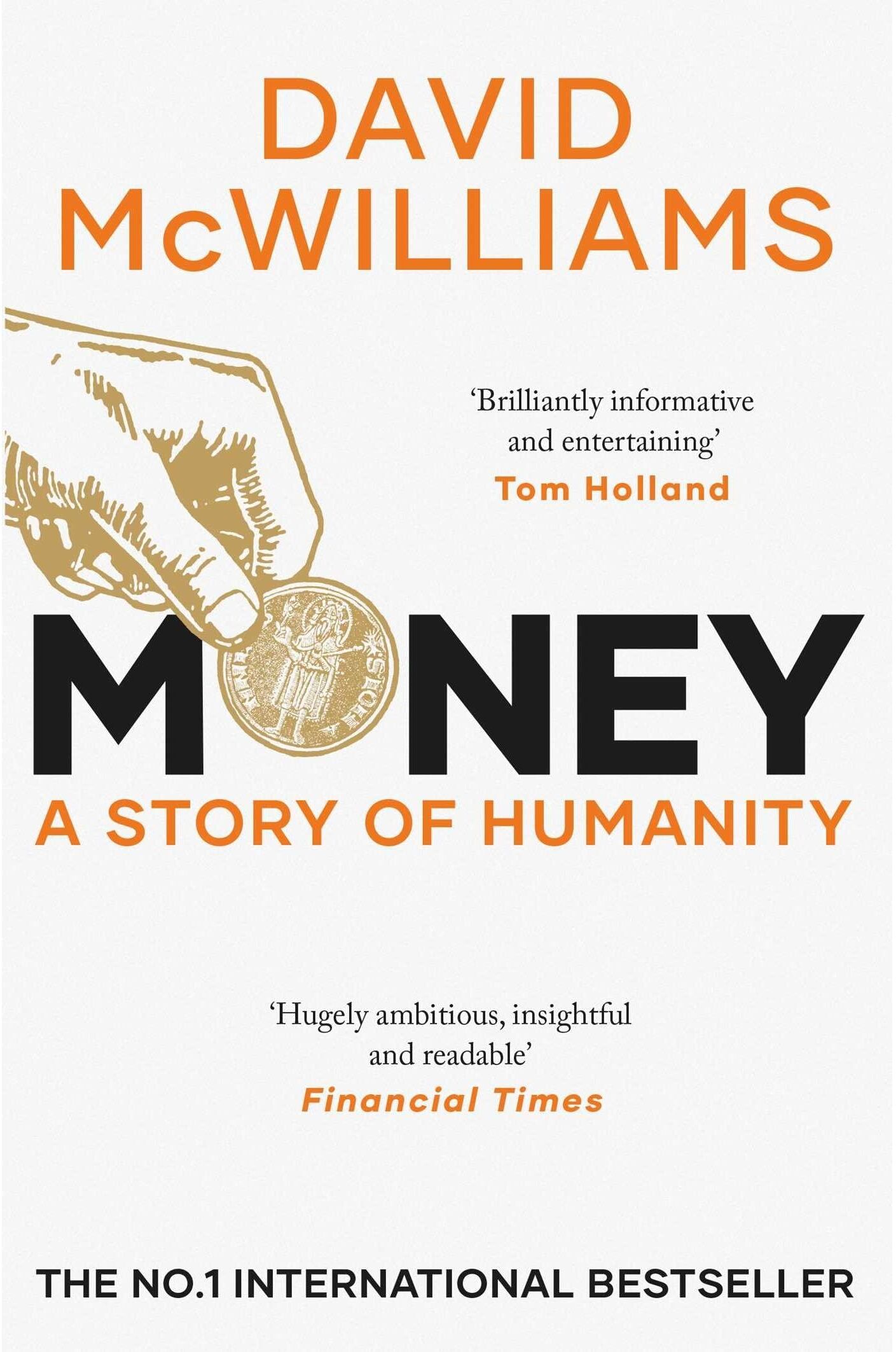
Simon & Schuster Money: A Story of Humanity by David McWilliams Economic History & Global Finance ExplainedIn Money: A Story of Humanity, renowned economist David McWilliams explores the fascinating history of money — not just as currency, but as a powerful force that has shaped human civilisation, relationships, technology, and global society. From ancient barter systems to cryptocurrency revolutions, McWilliams reveals how money reflects our values, ambitions, fears, politics, and culture.Rich with storytelling, sharp insights, and humour, this book makes complex economic ideas accessible, engaging, and deeply human. Perfect for readers who enjoy exploring how history, psychology, markets, and power intersect, Money: A Story of Humanity provides a fresh, eye-opening look at how money drives — and is driven by — human behaviour. Ideal for fans of Yuval Noah Harari, Tim Harford, Niall Ferguson, and Mary Beard.7,99 £*Shipping: 2,99 £Secure redirect to the provider
-
What does sustainable economic activity mean?
Sustainable economic activity refers to the production and consumption of goods and services in a way that meets the needs of the present without compromising the ability of future generations to meet their own needs. This involves using resources efficiently, minimizing waste and pollution, and promoting social equity. It also means considering the long-term impact of economic decisions on the environment, society, and the economy as a whole. Ultimately, sustainable economic activity aims to create a balance between economic growth, environmental protection, and social well-being. **
-
What is sustainable and equitable economic growth?
Sustainable and equitable economic growth refers to a type of economic development that is environmentally sustainable and benefits all members of society. It involves creating economic opportunities and improving living standards for all, while also ensuring that natural resources are used efficiently and preserved for future generations. This type of growth also aims to reduce inequality and promote social inclusion, so that the benefits of economic development are shared by everyone in society. Overall, sustainable and equitable economic growth seeks to balance economic progress with social and environmental responsibility. **
-
How can continuous and sustainable economic growth be achieved?
Continuous and sustainable economic growth can be achieved through a combination of factors such as investment in education and technology, infrastructure development, and innovation. Encouraging entrepreneurship and small business development can also contribute to economic growth. Additionally, promoting environmental sustainability and responsible resource management is crucial for long-term economic growth. Finally, fostering a stable and supportive regulatory environment and promoting international trade and cooperation can also contribute to sustainable economic growth. **
-
What is the difference between organic and eco-friendly products?
Organic products are made from ingredients that are grown without the use of synthetic pesticides, herbicides, or fertilizers, and are often certified by a regulatory body. Eco-friendly products, on the other hand, are designed to have minimal impact on the environment throughout their entire lifecycle, from production to disposal. While organic products focus on the natural ingredients used, eco-friendly products consider the overall environmental impact of the product. In essence, organic products focus on the ingredients, while eco-friendly products focus on the entire product lifecycle. **
How could a more sustainable global economic system be established?
A more sustainable global economic system could be established through a combination of policy changes, technological advancements, and shifts in consumer behavior. Governments can implement regulations and incentives to promote sustainable practices, such as carbon pricing and renewable energy subsidies. Businesses can adopt sustainable production methods and invest in green technologies. Consumers can support sustainable products and companies through their purchasing decisions. Additionally, international cooperation and agreements can help ensure that sustainability is prioritized on a global scale. **
Are economic laws natural laws and psychological laws?
Economic laws are not natural laws in the same sense as the laws of physics or chemistry, as they are not inherent to the physical world. Instead, economic laws are principles that describe patterns and behaviors in human economic activity. Similarly, psychological laws are not natural laws, but rather principles that describe patterns and behaviors in human psychology. Both economic and psychological laws are based on human behavior and interactions, rather than the physical world, and are subject to change as human behavior and society evolve. **
Top-Angebote
Products related to Economic:
-
Uplift Essentials Natural Bamboo Eco Friendly Toothbrush 10 Piece Sustainable Family Pack Natural Bamboo Eco Friendly Toothbrush 10 Piece Sustainable Family PackTransition to a greener routine with this Natural Bamboo Toothbrush Set, a premium collection of bamboo products designed to reduce environmental impact without compromising on performance. Each handle is crafted from 100% sustainable bamboo,...37,97 $*Shipping: 0,00 $Secure redirect to the provider
-
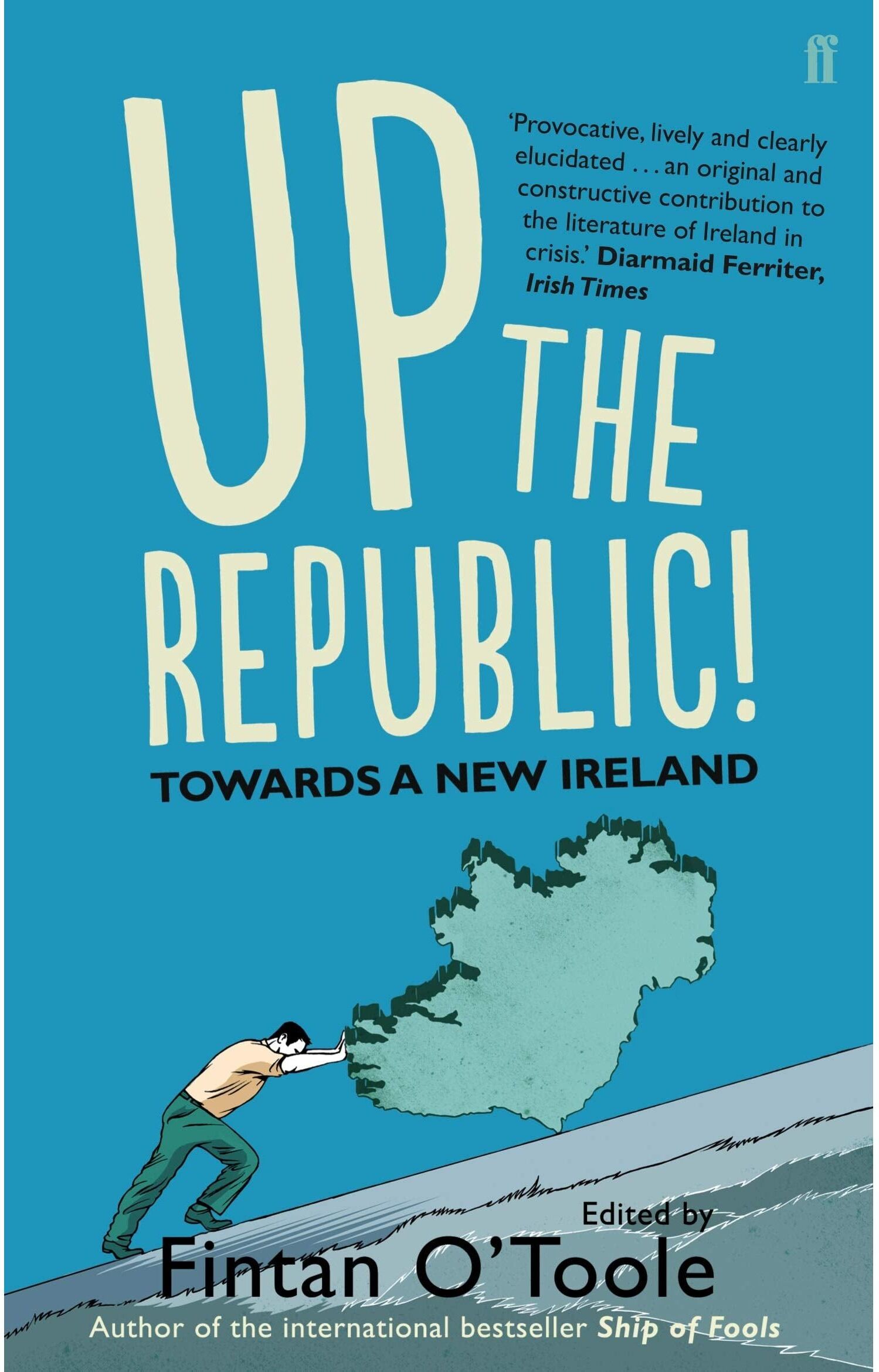
Faber Fintan O'Toole, Up the Republic! (Economic Book, Politics Book)Fintan O'Toole, Up the Republic! (Economic Book, Politics Book) In this important book, historians, lawyers, economists and writers come together to put a coherent case: that although the Irish economic collapse has resulted in national humiliation, renewed emigration and a decline in living standards for the majority of the population, there is still hope that the country can be reformed and renewed. Irish politicians offered the now notorious blanket guarantee to all the banks which had got in over their heads during the great property bubble - including one that had become little more than a criminal enterprise. A different set of politicians grimly enforces the consequences of that guarantee, locking an entire generation of Irish men and women into paying for the mistakes of greedy bankers and their corrupt friends in government. The energy of hope has to come from elsewhere. These essays demonstrate how simple measures and different economic and social policies could release that energy and fulfil the promise of an educated, literate and culturally vibrant people.4,99 £*Shipping: 1,99 £Secure redirect to the provider
-
Simon & Schuster Money: A Story of Humanity by David McWilliams Economic History & Global Finance ExplainedIn Money: A Story of Humanity, renowned economist David McWilliams explores the fascinating history of money — not just as currency, but as a powerful force that has shaped human civilisation, relationships, technology, and global society. From ancient barter systems to cryptocurrency revolutions, McWilliams reveals how money reflects our values, ambitions, fears, politics, and culture.Rich with storytelling, sharp insights, and humour, this book makes complex economic ideas accessible, engaging, and deeply human. Perfect for readers who enjoy exploring how history, psychology, markets, and power intersect, Money: A Story of Humanity provides a fresh, eye-opening look at how money drives — and is driven by — human behaviour. Ideal for fans of Yuval Noah Harari, Tim Harford, Niall Ferguson, and Mary Beard.7,99 £*Shipping: 2,99 £Secure redirect to the provider
-
Is sustainable economic growth unrealistic?
Sustainable economic growth is not unrealistic, but it requires a shift in mindset and practices towards more environmentally friendly and socially responsible approaches. By prioritizing long-term benefits over short-term gains, investing in renewable resources, and promoting fair trade practices, sustainable economic growth can be achieved. It may require sacrifices and changes in current economic models, but with collective effort and commitment, it is possible to create a more sustainable and equitable economy for future generations. **
-
How can sustainable economic activity be reconciled with simultaneous economic growth?
Sustainable economic activity can be reconciled with simultaneous economic growth by implementing policies and practices that prioritize environmental and social considerations alongside economic development. This can include investing in renewable energy, promoting sustainable agriculture, and implementing regulations to reduce pollution and waste. Additionally, businesses can adopt sustainable practices such as reducing energy consumption, minimizing waste, and promoting fair labor practices. By integrating sustainability into economic decision-making, it is possible to achieve economic growth while also preserving natural resources and promoting social well-being for future generations. **
-
What does sustainable economic activity mean?
Sustainable economic activity refers to the production and consumption of goods and services in a way that meets the needs of the present without compromising the ability of future generations to meet their own needs. This involves using resources efficiently, minimizing waste and pollution, and promoting social equity. It also means considering the long-term impact of economic decisions on the environment, society, and the economy as a whole. Ultimately, sustainable economic activity aims to create a balance between economic growth, environmental protection, and social well-being. **
-
What is sustainable and equitable economic growth?
Sustainable and equitable economic growth refers to a type of economic development that is environmentally sustainable and benefits all members of society. It involves creating economic opportunities and improving living standards for all, while also ensuring that natural resources are used efficiently and preserved for future generations. This type of growth also aims to reduce inequality and promote social inclusion, so that the benefits of economic development are shared by everyone in society. Overall, sustainable and equitable economic growth seeks to balance economic progress with social and environmental responsibility. **
Similar search terms for Economic
-
How can continuous and sustainable economic growth be achieved?
Continuous and sustainable economic growth can be achieved through a combination of factors such as investment in education and technology, infrastructure development, and innovation. Encouraging entrepreneurship and small business development can also contribute to economic growth. Additionally, promoting environmental sustainability and responsible resource management is crucial for long-term economic growth. Finally, fostering a stable and supportive regulatory environment and promoting international trade and cooperation can also contribute to sustainable economic growth. **
-
What is the difference between organic and eco-friendly products?
Organic products are made from ingredients that are grown without the use of synthetic pesticides, herbicides, or fertilizers, and are often certified by a regulatory body. Eco-friendly products, on the other hand, are designed to have minimal impact on the environment throughout their entire lifecycle, from production to disposal. While organic products focus on the natural ingredients used, eco-friendly products consider the overall environmental impact of the product. In essence, organic products focus on the ingredients, while eco-friendly products focus on the entire product lifecycle. **
-
How could a more sustainable global economic system be established?
A more sustainable global economic system could be established through a combination of policy changes, technological advancements, and shifts in consumer behavior. Governments can implement regulations and incentives to promote sustainable practices, such as carbon pricing and renewable energy subsidies. Businesses can adopt sustainable production methods and invest in green technologies. Consumers can support sustainable products and companies through their purchasing decisions. Additionally, international cooperation and agreements can help ensure that sustainability is prioritized on a global scale. **
-
Are economic laws natural laws and psychological laws?
Economic laws are not natural laws in the same sense as the laws of physics or chemistry, as they are not inherent to the physical world. Instead, economic laws are principles that describe patterns and behaviors in human economic activity. Similarly, psychological laws are not natural laws, but rather principles that describe patterns and behaviors in human psychology. Both economic and psychological laws are based on human behavior and interactions, rather than the physical world, and are subject to change as human behavior and society evolve. **
* All prices are inclusive of VAT and, if applicable, plus shipping costs. The offer information is based on the details provided by the respective shop and is updated through automated processes. Real-time updates do not occur, so deviations can occur in individual cases. ** Note: Parts of this content were created by AI.