Buy ecocilento.eu ?
We are moving the project
ecocilento.eu .
Are you interested in purchasing the domain
ecocilento.eu ?
domain@kv-gmbh.de · 0541-91531010
Buy ecocilento.eu ?
Are renewable resources the same as sustainable resources?
Renewable resources and sustainable resources are related concepts but not exactly the same. Renewable resources are those that can be replenished naturally over time, such as sunlight, wind, and water. Sustainable resources, on the other hand, refer to resources that are managed in a way that meets current needs without compromising the ability of future generations to meet their own needs. While renewable resources are often considered sustainable, not all sustainable resources are necessarily renewable, as some non-renewable resources can be managed in a way that ensures their long-term availability. **
Why are oil, natural gas, and coal not examples of sustainable resources?
Oil, natural gas, and coal are not examples of sustainable resources because they are finite and non-renewable sources of energy. Once these resources are extracted and burned, they cannot be replaced within a human lifetime. Additionally, the extraction and burning of these fossil fuels contribute to environmental degradation and climate change. Therefore, relying on these resources for energy production is not sustainable in the long term. **
Similar search terms for Resources
Top-Angebote
Products related to Resources:
-
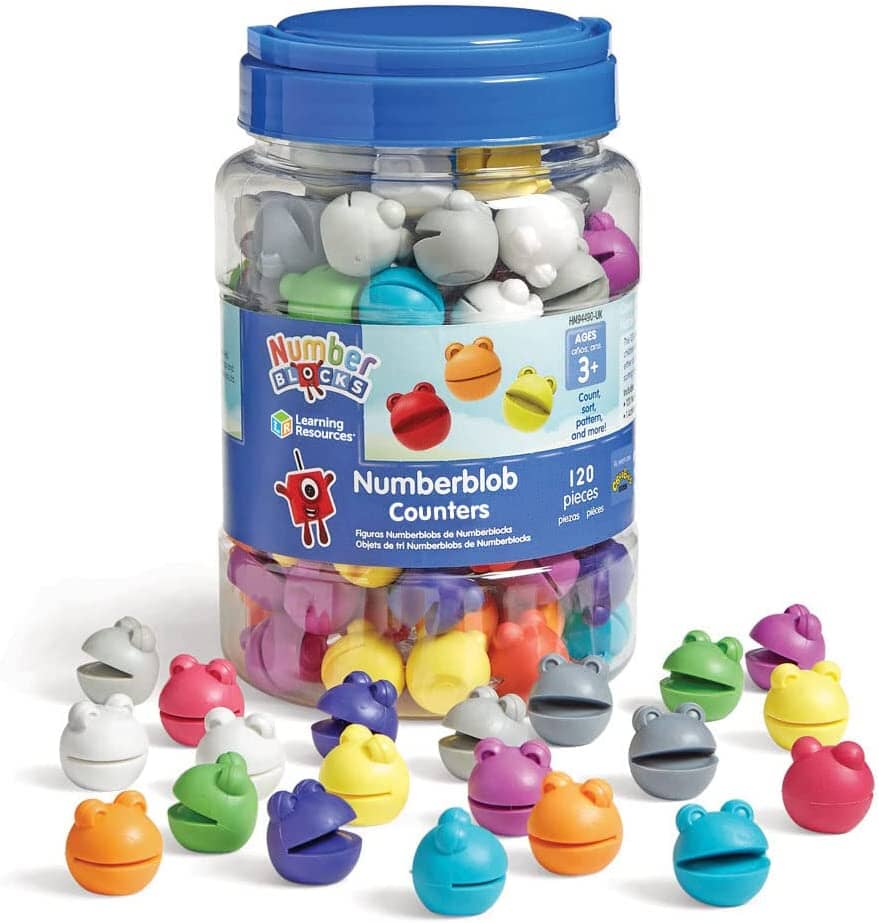
Numberblocks Numberblob Counters Set by Learning Resources - Ages 3 Years+ Learning ResourcesNUMBERBLOCKS AS SEEN ON TV: Bring the magic of on-screen maths learning with the Numberblocks TV series to life in the classroom with these Numberblocks Numberblob Counters VERSATILE TEACHING RESOURCE: Use these counters for teaching a range of essential early years maths skills including counting, sequencing, grouping, patterning, sorting, addition, subtraction, subitising, cardinality, and more MULTIPLE WAYS TO SORT: Numberblob Counters have open and closed mouth poses, and shapes on the bottom of the counters and are ideal for a variety of sorting activities FUN TO USE: These adorable Numberblob Counters are made from high-quality, soft, durable plastic that children will enjoy handling; counters are easy to wipe clean, and store neatly in the convenient storage tub with carry handle INCLUDES: 120 counters in fun Numberblocks unique colours – white, yellow, light orange, dark pink, red, turquoise, blue, purple, green, light grey, and dark grey, plus teacher-developed guide; counters measure 2cm in diameter14,99 £*Shipping: 2,99 £Secure redirect to the provider
-
Which natural resources do animals use?
Animals use a variety of natural resources for survival, including water, food, shelter, and space. Water is essential for hydration and maintaining bodily functions, while food provides the necessary nutrients for energy and growth. Animals also rely on natural materials such as plants, rocks, and soil for building shelters and creating habitats. Additionally, animals need space to roam and find suitable environments for breeding, nesting, and raising their young. Overall, animals depend on a range of natural resources to meet their basic needs and ensure their survival in the wild. **
-
Does the moon have natural resources?
Yes, the moon does have natural resources, including water ice, helium-3, and various metals such as iron, titanium, and aluminum. These resources could potentially be utilized for future lunar exploration and colonization efforts. Water ice, in particular, is of great interest as it could be used for drinking water, oxygen production, and the creation of rocket fuel. As space exploration technology continues to advance, the moon's natural resources may become increasingly valuable for supporting human presence and activities in space. **
-
What natural resources are found on Mercury?
Mercury is a planet that is not known to have any significant natural resources. It is a rocky planet with a thin atmosphere, and its surface is mainly composed of silicate minerals and metals like iron. Due to its proximity to the sun and extreme temperatures, Mercury is not believed to have any valuable resources like water, organic materials, or precious metals. **
-
What natural resources are there in Germany?
Germany is rich in natural resources such as coal, lignite, natural gas, and timber. The country also has significant deposits of iron ore, potash, and salt. Additionally, Germany has access to water resources, including rivers and lakes, which are used for hydroelectric power generation and agriculture. Overall, Germany's natural resources play a significant role in supporting its industrial and agricultural sectors. **
Does America have many huge natural resources?
Yes, America is known for its vast and diverse natural resources. The country is rich in minerals such as coal, copper, and gold, and it also has abundant forests, fertile agricultural land, and a variety of renewable energy sources such as wind and solar. Additionally, America has significant oil and natural gas reserves, making it a major player in the global energy market. Overall, America's natural resources play a crucial role in its economy and contribute to its status as a leading global power. **
Which countries have the fewest natural resources?
Countries that are considered to have few natural resources include Singapore, Malta, and Japan. These countries have limited natural resources such as arable land, minerals, and energy sources, which makes them heavily reliant on imports to meet their needs. Despite their lack of natural resources, these countries have managed to develop strong economies through other means such as technology, innovation, and strategic location. **
Top-Angebote
Products related to Resources:
-
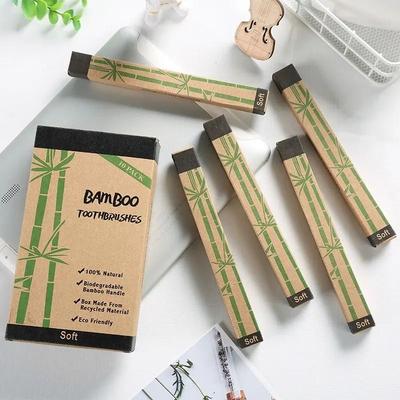
Uplift Essentials Natural Bamboo Eco Friendly Toothbrush 10 Piece Sustainable Family Pack Natural Bamboo Eco Friendly Toothbrush 10 Piece Sustainable Family PackTransition to a greener routine with this Natural Bamboo Toothbrush Set, a premium collection of bamboo products designed to reduce environmental impact without compromising on performance. Each handle is crafted from 100% sustainable bamboo,...37,97 $*Shipping: 0,00 $Secure redirect to the provider
-
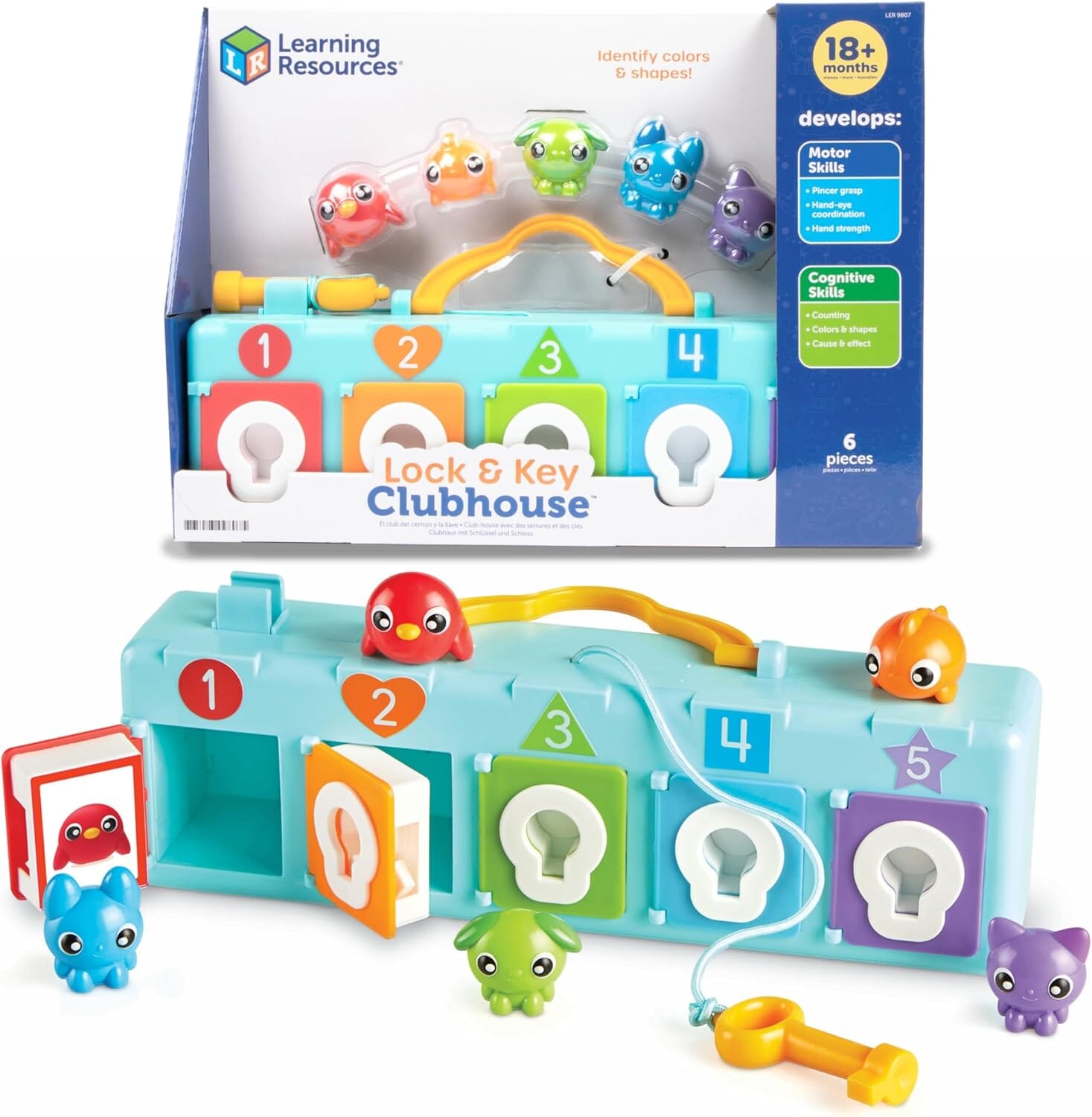
Learning Resources Lock & Key Clubhouse - Ages 18 Months+ - Educational Toy Learning ResourcesUnlock the doors to learning with the Lock & Key Clubhouse! This adorable fine motor skills toy builds co-ordination, hand strength and dexterity with every turn of the key! Discover 5 fun surprises behind the doors. Use the attached chunky key to unlock and open the doors, counting 1, 2, 3, 4, 5 as you go. Find the friendly birdie, fish, puppy, bunny and kitty. There’s a lot of learning packed into this playset. See the shapes above each door! There’s a circle, heart, triangle, square and star. Each also has a different colour and number. The peekaboo aspect of this toy helps children grasp the concept of object permanence, which is an essential early years cognitive milestone.22,99 £*Shipping: 2,99 £Secure redirect to the provider
-
Numberblocks Numberblob Counters Set by Learning Resources - Ages 3 Years+ Learning ResourcesNUMBERBLOCKS AS SEEN ON TV: Bring the magic of on-screen maths learning with the Numberblocks TV series to life in the classroom with these Numberblocks Numberblob Counters VERSATILE TEACHING RESOURCE: Use these counters for teaching a range of essential early years maths skills including counting, sequencing, grouping, patterning, sorting, addition, subtraction, subitising, cardinality, and more MULTIPLE WAYS TO SORT: Numberblob Counters have open and closed mouth poses, and shapes on the bottom of the counters and are ideal for a variety of sorting activities FUN TO USE: These adorable Numberblob Counters are made from high-quality, soft, durable plastic that children will enjoy handling; counters are easy to wipe clean, and store neatly in the convenient storage tub with carry handle INCLUDES: 120 counters in fun Numberblocks unique colours – white, yellow, light orange, dark pink, red, turquoise, blue, purple, green, light grey, and dark grey, plus teacher-developed guide; counters measure 2cm in diameter14,99 £*Shipping: 2,99 £Secure redirect to the provider
-
Are renewable resources the same as sustainable resources?
Renewable resources and sustainable resources are related concepts but not exactly the same. Renewable resources are those that can be replenished naturally over time, such as sunlight, wind, and water. Sustainable resources, on the other hand, refer to resources that are managed in a way that meets current needs without compromising the ability of future generations to meet their own needs. While renewable resources are often considered sustainable, not all sustainable resources are necessarily renewable, as some non-renewable resources can be managed in a way that ensures their long-term availability. **
-
Why are oil, natural gas, and coal not examples of sustainable resources?
Oil, natural gas, and coal are not examples of sustainable resources because they are finite and non-renewable sources of energy. Once these resources are extracted and burned, they cannot be replaced within a human lifetime. Additionally, the extraction and burning of these fossil fuels contribute to environmental degradation and climate change. Therefore, relying on these resources for energy production is not sustainable in the long term. **
-
Which natural resources do animals use?
Animals use a variety of natural resources for survival, including water, food, shelter, and space. Water is essential for hydration and maintaining bodily functions, while food provides the necessary nutrients for energy and growth. Animals also rely on natural materials such as plants, rocks, and soil for building shelters and creating habitats. Additionally, animals need space to roam and find suitable environments for breeding, nesting, and raising their young. Overall, animals depend on a range of natural resources to meet their basic needs and ensure their survival in the wild. **
-
Does the moon have natural resources?
Yes, the moon does have natural resources, including water ice, helium-3, and various metals such as iron, titanium, and aluminum. These resources could potentially be utilized for future lunar exploration and colonization efforts. Water ice, in particular, is of great interest as it could be used for drinking water, oxygen production, and the creation of rocket fuel. As space exploration technology continues to advance, the moon's natural resources may become increasingly valuable for supporting human presence and activities in space. **
Similar search terms for Resources
-
What natural resources are found on Mercury?
Mercury is a planet that is not known to have any significant natural resources. It is a rocky planet with a thin atmosphere, and its surface is mainly composed of silicate minerals and metals like iron. Due to its proximity to the sun and extreme temperatures, Mercury is not believed to have any valuable resources like water, organic materials, or precious metals. **
-
What natural resources are there in Germany?
Germany is rich in natural resources such as coal, lignite, natural gas, and timber. The country also has significant deposits of iron ore, potash, and salt. Additionally, Germany has access to water resources, including rivers and lakes, which are used for hydroelectric power generation and agriculture. Overall, Germany's natural resources play a significant role in supporting its industrial and agricultural sectors. **
-
Does America have many huge natural resources?
Yes, America is known for its vast and diverse natural resources. The country is rich in minerals such as coal, copper, and gold, and it also has abundant forests, fertile agricultural land, and a variety of renewable energy sources such as wind and solar. Additionally, America has significant oil and natural gas reserves, making it a major player in the global energy market. Overall, America's natural resources play a crucial role in its economy and contribute to its status as a leading global power. **
-
Which countries have the fewest natural resources?
Countries that are considered to have few natural resources include Singapore, Malta, and Japan. These countries have limited natural resources such as arable land, minerals, and energy sources, which makes them heavily reliant on imports to meet their needs. Despite their lack of natural resources, these countries have managed to develop strong economies through other means such as technology, innovation, and strategic location. **
* All prices are inclusive of VAT and, if applicable, plus shipping costs. The offer information is based on the details provided by the respective shop and is updated through automated processes. Real-time updates do not occur, so deviations can occur in individual cases. ** Note: Parts of this content were created by AI.