Buy ecocilento.eu ?
We are moving the project
ecocilento.eu .
Are you interested in purchasing the domain
ecocilento.eu ?
domain@kv-gmbh.de · 0541-91531010
Buy ecocilento.eu ?
Why is Bolivia still a developing country despite its abundant natural resources?
Bolivia is still a developing country despite its abundant natural resources due to a combination of factors. One key reason is the historical exploitation and mismanagement of its resources, which has hindered the country's economic development. Additionally, Bolivia has faced political instability and social unrest, which have further impeded its progress. Furthermore, the country has struggled with poverty, inequality, and inadequate infrastructure, which have all contributed to its status as a developing nation. Despite its natural wealth, these challenges have prevented Bolivia from fully harnessing its resources for sustainable development. **
What is the climate like in Bolivia?
Bolivia has a diverse climate due to its varying topography, with highland areas experiencing cooler temperatures and lower-lying regions being warmer. The highlands have a cold, dry climate, while the lowlands have a tropical and subtropical climate. The country also experiences a rainy season from November to March and a dry season from May to September. Overall, Bolivia's climate varies widely depending on the region, with the highlands being cooler and drier and the lowlands being warmer and more humid. **

Similar search terms for Bolivia
Top-Angebote
Products related to Bolivia:
-
The Handy Homestead Compostable Sugar Cane Straws Biodegradable Drinking & Eco Friendly Cocktail Straws Compostable Sugar Cane Straws Biodegradable Drinking & Eco Friendly Cocktail StrawsSip with purpose using our premium compostable sugar cane straws, designed for conscious consumers who want sustainability without compromise. These 200pcs 21cm eco alternatives elevate every drink from cold juices to fizzy cocktails while helping...41,97 $*Shipping: 0,00 $Secure redirect to the provider
-
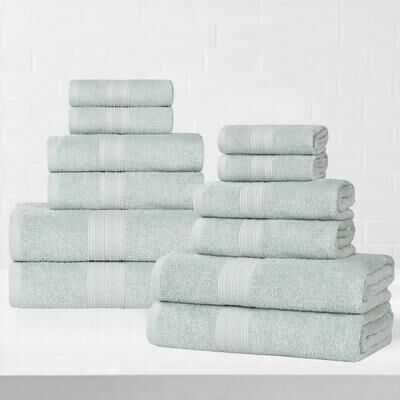
Superior Eco-Friendly Sustainable Cotton 12-Piece Bathroom Towel SetMade with incredibly soft recycled cotton, the Eco-Friendly Sustainable Cotton Bathroom Towel Set is the perfect green addition to any bathroom space. Our sustainable Cotton towels are lightweight to get you dry quickly after a shower or bath.63,19 $*Shipping: 0,00 $Secure redirect to the provider
-
Superior Eco-Friendly Sustainable Cotton 12-Piece Bathroom Towel SetMade with incredibly soft recycled cotton, the Eco-Friendly Sustainable Cotton Bathroom Towel Set is the perfect green addition to any bathroom space. Our sustainable Cotton towels are lightweight to get you dry quickly after a shower or bath.80,99 $*Shipping: 0,00 $Secure redirect to the provider



-
What poisonous animals are there in Bolivia?
In Bolivia, there are several poisonous animals, including the Bolivian coral snake, which is highly venomous and can be found in the Amazon rainforest and Chaco region. The Brazilian wandering spider, known for its potent venom, is also found in Bolivia and can be dangerous to humans. Additionally, the South American rattlesnake and the South American bushmaster are both venomous snakes that can be found in various regions of Bolivia. It is important for residents and visitors to be aware of these poisonous animals and take precautions to avoid encounters with them. **
-
What are some recipes with Agwa de Bolivia?
Agwa de Bolivia is a unique herbal liqueur that can be used in a variety of cocktails and recipes. Some popular recipes using Agwa de Bolivia include the Agwa Bomb, which is a shot of Agwa dropped into a glass of energy drink, and the Agwa Mojito, a twist on the classic mojito using Agwa instead of rum. You can also use Agwa de Bolivia in a variety of tropical cocktails like the Agwa Sour or the Agwa Caipirinha for a refreshing and flavorful drink. Experimenting with different mixers and ingredients can help you create your own signature Agwa de Bolivia cocktail. **
-
Why are many houses in Bolivia not plastered?
Many houses in Bolivia are not plastered due to the traditional building techniques and materials used in the country. Adobe bricks, made from a mixture of mud, straw, and sometimes manure, are commonly used for construction in Bolivia. These bricks are left exposed without plastering as a cost-effective and sustainable building method. Additionally, the dry climate in many regions of Bolivia allows for the adobe bricks to withstand the weather conditions without the need for plastering. **
-
What is the difference between organic and eco-friendly products?
Organic products are made from ingredients that are grown without the use of synthetic pesticides, herbicides, or fertilizers, and are often certified by a regulatory body. Eco-friendly products, on the other hand, are designed to have minimal impact on the environment throughout their entire lifecycle, from production to disposal. While organic products focus on the natural ingredients used, eco-friendly products consider the overall environmental impact of the product. In essence, organic products focus on the ingredients, while eco-friendly products focus on the entire product lifecycle. **

Does anyone know anything about the country of Bolivia?
Bolivia is a landlocked country located in South America, known for its diverse geography including the Andes Mountains, the Atacama Desert, and the Amazon Basin. It is also home to the world's highest navigable lake, Lake Titicaca. The country has a rich cultural heritage, with a majority indigenous population and a strong influence of traditional Andean customs and beliefs. Bolivia's economy is largely based on natural resources such as minerals, natural gas, and agriculture. **
Is organic sustainable?
Organic farming practices can be more sustainable than conventional methods in terms of reducing chemical inputs, promoting biodiversity, and improving soil health. However, there are challenges to the scalability and efficiency of organic farming, which can impact its overall sustainability. For example, organic farming typically requires more land and labor to produce the same amount of food as conventional methods, which can limit its ability to meet global food demand. Additionally, the transportation and distribution of organic products can have a higher environmental impact due to their shorter shelf life and the need for refrigeration. Overall, while organic farming has many sustainable benefits, there are also limitations to its long-term sustainability on a large scale. **
Top-Angebote
Products related to Bolivia:
-
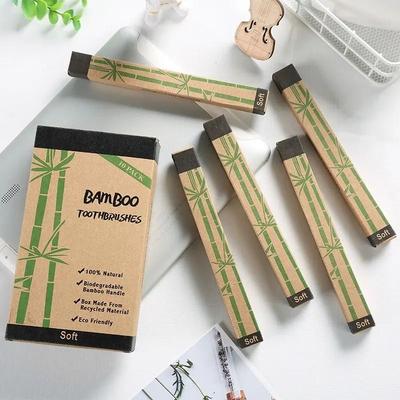
Uplift Essentials Natural Bamboo Eco Friendly Toothbrush 10 Piece Sustainable Family Pack Natural Bamboo Eco Friendly Toothbrush 10 Piece Sustainable Family PackTransition to a greener routine with this Natural Bamboo Toothbrush Set, a premium collection of bamboo products designed to reduce environmental impact without compromising on performance. Each handle is crafted from 100% sustainable bamboo,...37,97 $*Shipping: 0,00 $Secure redirect to the provider
-
The Handy Homestead Compostable Sugar Cane Straws Biodegradable Drinking & Eco Friendly Cocktail Straws Compostable Sugar Cane Straws Biodegradable Drinking & Eco Friendly Cocktail StrawsSip with purpose using our premium compostable sugar cane straws, designed for conscious consumers who want sustainability without compromise. These 200pcs 21cm eco alternatives elevate every drink from cold juices to fizzy cocktails while helping...41,97 $*Shipping: 0,00 $Secure redirect to the provider
-
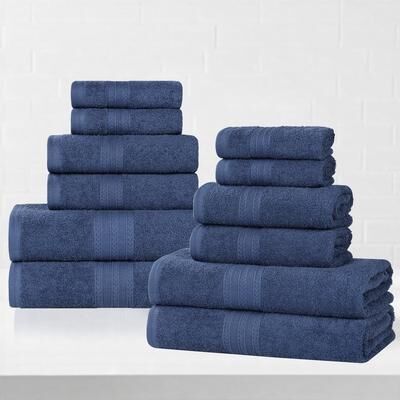
Superior Eco-Friendly Sustainable Cotton 12-Piece Bathroom Towel SetMade with incredibly soft recycled cotton, the Eco-Friendly Sustainable Cotton Bathroom Towel Set is the perfect green addition to any bathroom space. Our sustainable Cotton towels are lightweight to get you dry quickly after a shower or bath.63,19 $*Shipping: 0,00 $Secure redirect to the provider
-
Why is Bolivia still a developing country despite its abundant natural resources?
Bolivia is still a developing country despite its abundant natural resources due to a combination of factors. One key reason is the historical exploitation and mismanagement of its resources, which has hindered the country's economic development. Additionally, Bolivia has faced political instability and social unrest, which have further impeded its progress. Furthermore, the country has struggled with poverty, inequality, and inadequate infrastructure, which have all contributed to its status as a developing nation. Despite its natural wealth, these challenges have prevented Bolivia from fully harnessing its resources for sustainable development. **
-
What is the climate like in Bolivia?
Bolivia has a diverse climate due to its varying topography, with highland areas experiencing cooler temperatures and lower-lying regions being warmer. The highlands have a cold, dry climate, while the lowlands have a tropical and subtropical climate. The country also experiences a rainy season from November to March and a dry season from May to September. Overall, Bolivia's climate varies widely depending on the region, with the highlands being cooler and drier and the lowlands being warmer and more humid. **
-
What poisonous animals are there in Bolivia?
In Bolivia, there are several poisonous animals, including the Bolivian coral snake, which is highly venomous and can be found in the Amazon rainforest and Chaco region. The Brazilian wandering spider, known for its potent venom, is also found in Bolivia and can be dangerous to humans. Additionally, the South American rattlesnake and the South American bushmaster are both venomous snakes that can be found in various regions of Bolivia. It is important for residents and visitors to be aware of these poisonous animals and take precautions to avoid encounters with them. **
-
What are some recipes with Agwa de Bolivia?
Agwa de Bolivia is a unique herbal liqueur that can be used in a variety of cocktails and recipes. Some popular recipes using Agwa de Bolivia include the Agwa Bomb, which is a shot of Agwa dropped into a glass of energy drink, and the Agwa Mojito, a twist on the classic mojito using Agwa instead of rum. You can also use Agwa de Bolivia in a variety of tropical cocktails like the Agwa Sour or the Agwa Caipirinha for a refreshing and flavorful drink. Experimenting with different mixers and ingredients can help you create your own signature Agwa de Bolivia cocktail. **
Similar search terms for Bolivia
-
Superior Eco-Friendly Sustainable Cotton 12-Piece Bathroom Towel SetMade with incredibly soft recycled cotton, the Eco-Friendly Sustainable Cotton Bathroom Towel Set is the perfect green addition to any bathroom space. Our sustainable Cotton towels are lightweight to get you dry quickly after a shower or bath.80,99 $*Shipping: 0,00 $Secure redirect to the provider
-
Superior Eco-Friendly Sustainable Cotton 12-Piece Bathroom Towel SetMade with incredibly soft recycled cotton, the Eco-Friendly Sustainable Cotton Bathroom Towel Set is the perfect green addition to any bathroom space. Our sustainable Cotton towels are lightweight to get you dry quickly after a shower or bath.61,90 $*Shipping: 0,00 $Secure redirect to the provider
-
Superior Eco-Friendly Sustainable Cotton 12-Piece Bathroom Towel SetMade with incredibly soft recycled cotton, the Eco-Friendly Sustainable Cotton Bathroom Towel Set is the perfect green addition to any bathroom space. Our sustainable Cotton towels are lightweight to get you dry quickly after a shower or bath.63,19 $*Shipping: 0,00 $Secure redirect to the provider
-
Why are many houses in Bolivia not plastered?
Many houses in Bolivia are not plastered due to the traditional building techniques and materials used in the country. Adobe bricks, made from a mixture of mud, straw, and sometimes manure, are commonly used for construction in Bolivia. These bricks are left exposed without plastering as a cost-effective and sustainable building method. Additionally, the dry climate in many regions of Bolivia allows for the adobe bricks to withstand the weather conditions without the need for plastering. **
-
What is the difference between organic and eco-friendly products?
Organic products are made from ingredients that are grown without the use of synthetic pesticides, herbicides, or fertilizers, and are often certified by a regulatory body. Eco-friendly products, on the other hand, are designed to have minimal impact on the environment throughout their entire lifecycle, from production to disposal. While organic products focus on the natural ingredients used, eco-friendly products consider the overall environmental impact of the product. In essence, organic products focus on the ingredients, while eco-friendly products focus on the entire product lifecycle. **
-
Does anyone know anything about the country of Bolivia?
Bolivia is a landlocked country located in South America, known for its diverse geography including the Andes Mountains, the Atacama Desert, and the Amazon Basin. It is also home to the world's highest navigable lake, Lake Titicaca. The country has a rich cultural heritage, with a majority indigenous population and a strong influence of traditional Andean customs and beliefs. Bolivia's economy is largely based on natural resources such as minerals, natural gas, and agriculture. **
-
Is organic sustainable?
Organic farming practices can be more sustainable than conventional methods in terms of reducing chemical inputs, promoting biodiversity, and improving soil health. However, there are challenges to the scalability and efficiency of organic farming, which can impact its overall sustainability. For example, organic farming typically requires more land and labor to produce the same amount of food as conventional methods, which can limit its ability to meet global food demand. Additionally, the transportation and distribution of organic products can have a higher environmental impact due to their shorter shelf life and the need for refrigeration. Overall, while organic farming has many sustainable benefits, there are also limitations to its long-term sustainability on a large scale. **
* All prices are inclusive of VAT and, if applicable, plus shipping costs. The offer information is based on the details provided by the respective shop and is updated through automated processes. Real-time updates do not occur, so deviations can occur in individual cases. ** Note: Parts of this content were created by AI.