Buy ecocilento.eu ?
We are moving the project
ecocilento.eu .
Are you interested in purchasing the domain
ecocilento.eu ?
domain@kv-gmbh.de · 0541-91531010
Buy ecocilento.eu ?
Why is factory farming not sustainable?
Factory farming is not sustainable for several reasons. Firstly, it contributes to environmental degradation through the overuse of natural resources such as water and land, as well as the release of greenhouse gases and pollutants. Additionally, factory farming often relies on the use of antibiotics and hormones, which can lead to the development of antibiotic-resistant bacteria and have negative impacts on human health. Furthermore, the intensive confinement and poor treatment of animals in factory farms raise ethical concerns and can lead to negative social implications. Overall, the industrialized and intensive nature of factory farming is not sustainable in the long term and alternative, more sustainable agricultural practices are needed. **
What is the difference between organic and eco-friendly products?
Organic products are made from ingredients that are grown without the use of synthetic pesticides, herbicides, or fertilizers, and are often certified by a regulatory body. Eco-friendly products, on the other hand, are designed to have minimal impact on the environment throughout their entire lifecycle, from production to disposal. While organic products focus on the natural ingredients used, eco-friendly products consider the overall environmental impact of the product. In essence, organic products focus on the ingredients, while eco-friendly products focus on the entire product lifecycle. **

Similar search terms for Factory
Top-Angebote
Products related to Factory:
-
The Handy Homestead Compostable Sugar Cane Straws Biodegradable Drinking & Eco Friendly Cocktail Straws Compostable Sugar Cane Straws Biodegradable Drinking & Eco Friendly Cocktail StrawsSip with purpose using our premium compostable sugar cane straws, designed for conscious consumers who want sustainability without compromise. These 200pcs 21cm eco alternatives elevate every drink from cold juices to fizzy cocktails while helping...41,97 $*Shipping: 0,00 $Secure redirect to the provider



-
Is organic sustainable?
Organic farming practices can be more sustainable than conventional methods in terms of reducing chemical inputs, promoting biodiversity, and improving soil health. However, there are challenges to the scalability and efficiency of organic farming, which can impact its overall sustainability. For example, organic farming typically requires more land and labor to produce the same amount of food as conventional methods, which can limit its ability to meet global food demand. Additionally, the transportation and distribution of organic products can have a higher environmental impact due to their shorter shelf life and the need for refrigeration. Overall, while organic farming has many sustainable benefits, there are also limitations to its long-term sustainability on a large scale. **
-
Is the organic meat from Aldi produced in factory farming?
Aldi's organic meat is not produced in factory farming. Aldi's organic meat suppliers are required to adhere to strict animal welfare standards, including providing access to the outdoors, natural light, and space to move freely. Additionally, Aldi's organic meat is free from antibiotics and added hormones, ensuring a more natural and sustainable production process. **
-
Does organic meat smell better than meat from factory farming?
Many people believe that organic meat smells better than meat from factory farming because it is often raised in more natural and open environments, and fed a diet free from antibiotics and hormones. Organic meat is also typically processed in smaller facilities, which may result in a fresher and less processed smell. However, individual perceptions of smell can vary, and some people may not notice a significant difference between the two types of meat. **
-
Are there restaurants that exclusively offer organic meat and no meat from factory farming?
Yes, there are restaurants that exclusively offer organic meat and do not serve meat from factory farming. These restaurants often prioritize sourcing their meat from local, sustainable farms that raise animals in humane and environmentally friendly conditions. By doing so, they aim to provide their customers with high-quality, ethically sourced meat that is free from antibiotics, hormones, and other harmful additives commonly found in factory-farmed meat. These establishments cater to individuals who are conscious about the ethical and environmental implications of their food choices. **

What is factory farming?
Factory farming is a method of raising livestock in high-density confinement to maximize production efficiency. Animals are often kept in crowded and unsanitary conditions, leading to various welfare issues. The primary goal of factory farming is to produce large quantities of meat, dairy, and eggs at a low cost, often at the expense of animal welfare, environmental sustainability, and human health. This industrialized approach to agriculture has been criticized for its negative impacts on animal welfare, the environment, and public health. **
Is the meat, vegetables, and fruit in Turkish stores organic and free from factory farming?
In Turkish stores, it is possible to find a variety of organic meat, vegetables, and fruits. However, not all products are organic, and it is important to look for specific labels or certifications to ensure that they are free from pesticides and chemicals. Additionally, while some products may be sourced from small-scale farms, there is still a presence of factory farming in Turkey, so it is advisable to do thorough research or ask the store staff about the sourcing practices of the products. **
Top-Angebote
Products related to Factory:
-
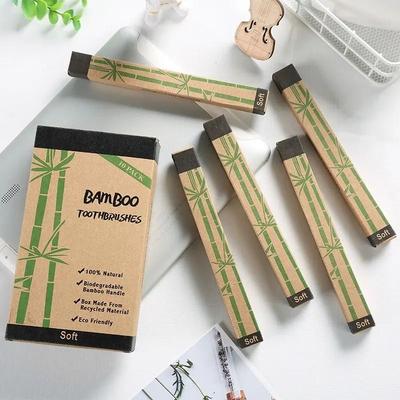
Uplift Essentials Natural Bamboo Eco Friendly Toothbrush 10 Piece Sustainable Family Pack Natural Bamboo Eco Friendly Toothbrush 10 Piece Sustainable Family PackTransition to a greener routine with this Natural Bamboo Toothbrush Set, a premium collection of bamboo products designed to reduce environmental impact without compromising on performance. Each handle is crafted from 100% sustainable bamboo,...37,97 $*Shipping: 0,00 $Secure redirect to the provider
-
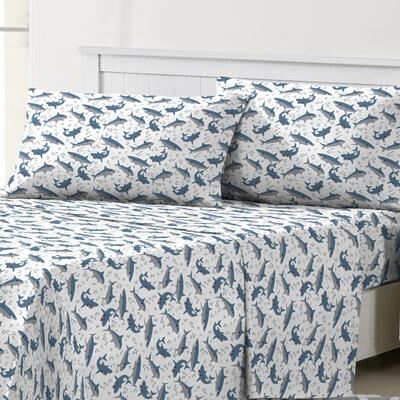
Dream Factory Sharks Sheet SetDare to refresh your child's room with an under-the-sea charm! Make a splashing statement in their bedroom with the soft (and risky!) Dream Factory Sharks sheet Set. This ocean-inspired sheet set features friendly sharks and fish all over.28,12 $*Shipping: 0,00 $Secure redirect to the provider
-
Why is factory farming not sustainable?
Factory farming is not sustainable for several reasons. Firstly, it contributes to environmental degradation through the overuse of natural resources such as water and land, as well as the release of greenhouse gases and pollutants. Additionally, factory farming often relies on the use of antibiotics and hormones, which can lead to the development of antibiotic-resistant bacteria and have negative impacts on human health. Furthermore, the intensive confinement and poor treatment of animals in factory farms raise ethical concerns and can lead to negative social implications. Overall, the industrialized and intensive nature of factory farming is not sustainable in the long term and alternative, more sustainable agricultural practices are needed. **
-
What is the difference between organic and eco-friendly products?
Organic products are made from ingredients that are grown without the use of synthetic pesticides, herbicides, or fertilizers, and are often certified by a regulatory body. Eco-friendly products, on the other hand, are designed to have minimal impact on the environment throughout their entire lifecycle, from production to disposal. While organic products focus on the natural ingredients used, eco-friendly products consider the overall environmental impact of the product. In essence, organic products focus on the ingredients, while eco-friendly products focus on the entire product lifecycle. **
-
Is organic sustainable?
Organic farming practices can be more sustainable than conventional methods in terms of reducing chemical inputs, promoting biodiversity, and improving soil health. However, there are challenges to the scalability and efficiency of organic farming, which can impact its overall sustainability. For example, organic farming typically requires more land and labor to produce the same amount of food as conventional methods, which can limit its ability to meet global food demand. Additionally, the transportation and distribution of organic products can have a higher environmental impact due to their shorter shelf life and the need for refrigeration. Overall, while organic farming has many sustainable benefits, there are also limitations to its long-term sustainability on a large scale. **
-
Is the organic meat from Aldi produced in factory farming?
Aldi's organic meat is not produced in factory farming. Aldi's organic meat suppliers are required to adhere to strict animal welfare standards, including providing access to the outdoors, natural light, and space to move freely. Additionally, Aldi's organic meat is free from antibiotics and added hormones, ensuring a more natural and sustainable production process. **
Similar search terms for Factory
-
The Handy Homestead Compostable Sugar Cane Straws Biodegradable Drinking & Eco Friendly Cocktail Straws Compostable Sugar Cane Straws Biodegradable Drinking & Eco Friendly Cocktail StrawsSip with purpose using our premium compostable sugar cane straws, designed for conscious consumers who want sustainability without compromise. These 200pcs 21cm eco alternatives elevate every drink from cold juices to fizzy cocktails while helping...41,97 $*Shipping: 0,00 $Secure redirect to the provider
-
Dream Factory Sharks Sheet SetDare to refresh your child's room with an under-the-sea charm! Make a splashing statement in their bedroom with the soft (and risky!) Dream Factory Sharks sheet Set. This ocean-inspired sheet set features friendly sharks and fish all over.23,19 $*Shipping: 0,00 $Secure redirect to the provider
-
Does organic meat smell better than meat from factory farming?
Many people believe that organic meat smells better than meat from factory farming because it is often raised in more natural and open environments, and fed a diet free from antibiotics and hormones. Organic meat is also typically processed in smaller facilities, which may result in a fresher and less processed smell. However, individual perceptions of smell can vary, and some people may not notice a significant difference between the two types of meat. **
-
Are there restaurants that exclusively offer organic meat and no meat from factory farming?
Yes, there are restaurants that exclusively offer organic meat and do not serve meat from factory farming. These restaurants often prioritize sourcing their meat from local, sustainable farms that raise animals in humane and environmentally friendly conditions. By doing so, they aim to provide their customers with high-quality, ethically sourced meat that is free from antibiotics, hormones, and other harmful additives commonly found in factory-farmed meat. These establishments cater to individuals who are conscious about the ethical and environmental implications of their food choices. **
-
What is factory farming?
Factory farming is a method of raising livestock in high-density confinement to maximize production efficiency. Animals are often kept in crowded and unsanitary conditions, leading to various welfare issues. The primary goal of factory farming is to produce large quantities of meat, dairy, and eggs at a low cost, often at the expense of animal welfare, environmental sustainability, and human health. This industrialized approach to agriculture has been criticized for its negative impacts on animal welfare, the environment, and public health. **
-
Is the meat, vegetables, and fruit in Turkish stores organic and free from factory farming?
In Turkish stores, it is possible to find a variety of organic meat, vegetables, and fruits. However, not all products are organic, and it is important to look for specific labels or certifications to ensure that they are free from pesticides and chemicals. Additionally, while some products may be sourced from small-scale farms, there is still a presence of factory farming in Turkey, so it is advisable to do thorough research or ask the store staff about the sourcing practices of the products. **
* All prices are inclusive of VAT and, if applicable, plus shipping costs. The offer information is based on the details provided by the respective shop and is updated through automated processes. Real-time updates do not occur, so deviations can occur in individual cases. ** Note: Parts of this content were created by AI.