Buy ecocilento.eu ?
We are moving the project
ecocilento.eu .
Are you interested in purchasing the domain
ecocilento.eu ?
domain@kv-gmbh.de · 0541-91531010
Buy ecocilento.eu ?
Is bulky waste recyclable?
Bulky waste is generally not recyclable in the traditional sense, as it is often made up of large items such as furniture, appliances, and mattresses that are difficult to process through standard recycling facilities. However, some bulky waste items can be recycled or repurposed through specialized recycling programs or facilities. For example, certain materials like metal, wood, and electronics can be salvaged and recycled from bulky waste items. It's important to check with your local waste management or recycling center to see if they offer any programs for recycling bulky waste. **
Organic waste or residual waste?
Organic waste refers to biodegradable waste such as food scraps, yard waste, and paper products, which can be composted or converted into energy through anaerobic digestion. Residual waste, on the other hand, refers to non-recyclable and non-compostable waste that is typically sent to landfills or incinerated. When it comes to managing waste, it is important to prioritize the reduction and proper disposal of organic waste through composting and recycling, as it can have a more positive environmental impact compared to residual waste. **
Similar search terms for Low-waste
Top-Angebote
Products related to Low-waste:
-
Kozy Kitchen Handmade Natural Cotton Bread bag, Bread Loaf Bag, Eco-friendly Bag for Cake, Reusable Bags, Zero Waste"Our drawstring cotton bread bag with a sewed ""bread"" logo in the front is a natural and sustainable solution to keep your bread and other bakes fresh for much longer."33,99 $*Shipping: 0,00 $Secure redirect to the provider
-
The Handy Homestead Compostable Sugar Cane Straws Biodegradable Drinking & Eco Friendly Cocktail Straws Compostable Sugar Cane Straws Biodegradable Drinking & Eco Friendly Cocktail StrawsSip with purpose using our premium compostable sugar cane straws, designed for conscious consumers who want sustainability without compromise. These 200pcs 21cm eco alternatives elevate every drink from cold juices to fizzy cocktails while helping...41,97 $*Shipping: 0,00 $Secure redirect to the provider
-
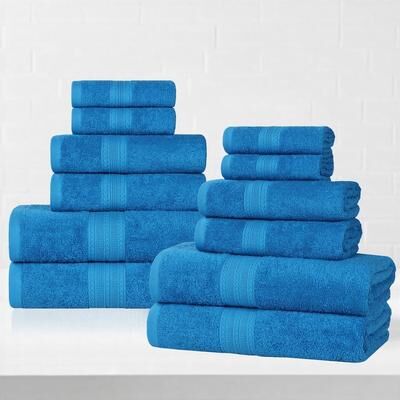
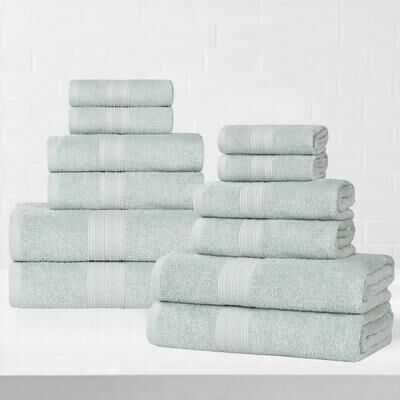
Superior Eco-Friendly Sustainable Cotton 12-Piece Bathroom Towel SetMade with incredibly soft recycled cotton, the Eco-Friendly Sustainable Cotton Bathroom Towel Set is the perfect green addition to any bathroom space. Our sustainable Cotton towels are lightweight to get you dry quickly after a shower or bath.78,99 $*Shipping: 0,00 $Secure redirect to the provider
-
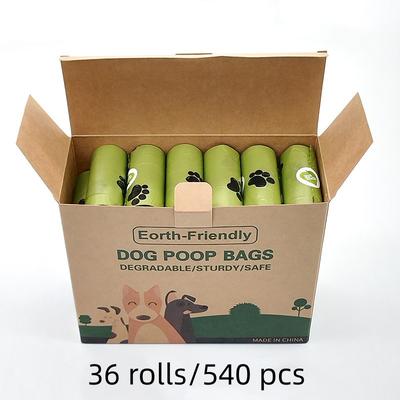
Pet Hub Biodegradable Dog Poop Bags, Eco Friendly, Scented & Leak Proof Bulk Pet Waste Bags For Dogs & Cats style B 36rollsKeep your neighborhood clean while protecting the planet with our 100% biodegradable dog poop bags! Made from plantbased materials, these ecofriendly pet waste bags break down naturally, reducing plastic pollutionwithout sacrificing strength or...34,97 $*Shipping: 0,00 $Secure redirect to the provider


-
What happens to recyclable waste?
Recyclable waste is collected and sorted at recycling facilities. It is then processed to remove any contaminants and broken down into raw materials. These raw materials are then used to create new products, reducing the need for virgin materials and conserving natural resources. The recycling process helps to reduce the amount of waste sent to landfills and minimizes the environmental impact of waste disposal. **
-
Is low-fat milk organic and environmentally friendly?
Low-fat milk can be organic if it is produced without the use of synthetic pesticides, fertilizers, or genetically modified organisms. Organic farming practices are generally more environmentally friendly as they promote soil health, biodiversity, and water conservation. However, the environmental impact of any dairy product, including low-fat milk, also depends on factors such as transportation, packaging, and waste management. It is important to look for certifications such as USDA Organic or other reputable organic certifications to ensure that the low-fat milk you choose is both organic and environmentally friendly. **
-
What is the difference between residual waste and organic waste?
Residual waste, also known as general waste, refers to non-recyclable and non-hazardous waste that is typically sent to landfills or incinerators. This includes materials such as plastic, rubber, and textiles. On the other hand, organic waste consists of biodegradable materials such as food scraps, yard waste, and paper products. Unlike residual waste, organic waste can be composted and turned into nutrient-rich soil. Additionally, organic waste produces methane gas when sent to landfills, making it a significant contributor to greenhouse gas emissions. **
-
What is more environmentally friendly: burning or burying natural waste such as wood branches or kitchen waste?
Burying natural waste such as wood branches or kitchen waste is generally considered more environmentally friendly than burning. When natural waste is buried, it can decompose and enrich the soil, contributing to the natural nutrient cycle. On the other hand, burning natural waste releases carbon dioxide and other pollutants into the atmosphere, contributing to air pollution and climate change. Additionally, burning can also release harmful toxins and particulate matter into the air, which can have negative impacts on human health. Therefore, burying natural waste is a more sustainable and environmentally friendly option. **

"Are biodegradable waste bags still allowed to be used?"
Yes, biodegradable waste bags are still allowed to be used in many places. These bags are designed to break down naturally over time, making them a more environmentally friendly option for disposing of organic waste. However, it's important to check local regulations and guidelines to ensure that biodegradable waste bags are accepted in your area. Some municipalities may have specific requirements for waste disposal, so it's always best to confirm before using biodegradable bags. **
Can people steal organic waste bins?
Yes, people can steal organic waste bins. Organic waste bins are often targeted for theft because they can be used for composting or other purposes. To prevent theft, it's important to secure organic waste bins in a locked area or use a heavy-duty lock to secure the bin to a fixed object. Additionally, labeling the bin with a unique identifier can help deter theft and aid in recovery if the bin is stolen. **
Top-Angebote
Products related to Low-waste:
-
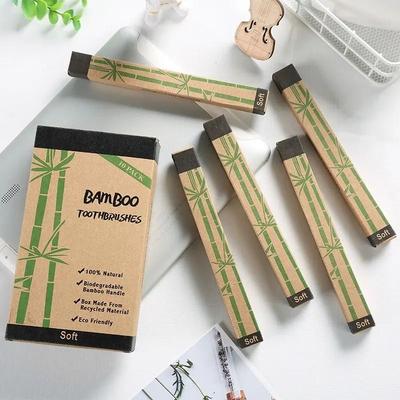
Uplift Essentials Natural Bamboo Eco Friendly Toothbrush 10 Piece Sustainable Family Pack Natural Bamboo Eco Friendly Toothbrush 10 Piece Sustainable Family PackTransition to a greener routine with this Natural Bamboo Toothbrush Set, a premium collection of bamboo products designed to reduce environmental impact without compromising on performance. Each handle is crafted from 100% sustainable bamboo,...37,97 $*Shipping: 0,00 $Secure redirect to the provider
-
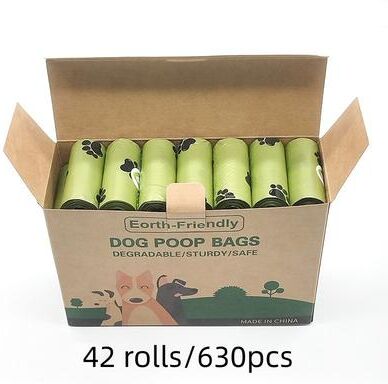
Pet Hub Biodegradable Dog Poop Bags, Eco Friendly, Scented & Leak Proof Bulk Pet Waste Bags For Dogs & Cats style B 42rollsKeep your neighborhood clean while protecting the planet with our 100% biodegradable dog poop bags! Made from plantbased materials, these ecofriendly pet waste bags break down naturally, reducing plastic pollutionwithout sacrificing strength or...39,97 $*Shipping: 0,00 $Secure redirect to the provider
-
Kozy Kitchen Handmade Natural Cotton Bread bag, Bread Loaf Bag, Eco-friendly Bag for Cake, Reusable Bags, Zero Waste"Our drawstring cotton bread bag with a sewed ""bread"" logo in the front is a natural and sustainable solution to keep your bread and other bakes fresh for much longer."33,99 $*Shipping: 0,00 $Secure redirect to the provider
-
The Handy Homestead Compostable Sugar Cane Straws Biodegradable Drinking & Eco Friendly Cocktail Straws Compostable Sugar Cane Straws Biodegradable Drinking & Eco Friendly Cocktail StrawsSip with purpose using our premium compostable sugar cane straws, designed for conscious consumers who want sustainability without compromise. These 200pcs 21cm eco alternatives elevate every drink from cold juices to fizzy cocktails while helping...41,97 $*Shipping: 0,00 $Secure redirect to the provider
-
Is bulky waste recyclable?
Bulky waste is generally not recyclable in the traditional sense, as it is often made up of large items such as furniture, appliances, and mattresses that are difficult to process through standard recycling facilities. However, some bulky waste items can be recycled or repurposed through specialized recycling programs or facilities. For example, certain materials like metal, wood, and electronics can be salvaged and recycled from bulky waste items. It's important to check with your local waste management or recycling center to see if they offer any programs for recycling bulky waste. **
-
Organic waste or residual waste?
Organic waste refers to biodegradable waste such as food scraps, yard waste, and paper products, which can be composted or converted into energy through anaerobic digestion. Residual waste, on the other hand, refers to non-recyclable and non-compostable waste that is typically sent to landfills or incinerated. When it comes to managing waste, it is important to prioritize the reduction and proper disposal of organic waste through composting and recycling, as it can have a more positive environmental impact compared to residual waste. **
-
What happens to recyclable waste?
Recyclable waste is collected and sorted at recycling facilities. It is then processed to remove any contaminants and broken down into raw materials. These raw materials are then used to create new products, reducing the need for virgin materials and conserving natural resources. The recycling process helps to reduce the amount of waste sent to landfills and minimizes the environmental impact of waste disposal. **
-
Is low-fat milk organic and environmentally friendly?
Low-fat milk can be organic if it is produced without the use of synthetic pesticides, fertilizers, or genetically modified organisms. Organic farming practices are generally more environmentally friendly as they promote soil health, biodiversity, and water conservation. However, the environmental impact of any dairy product, including low-fat milk, also depends on factors such as transportation, packaging, and waste management. It is important to look for certifications such as USDA Organic or other reputable organic certifications to ensure that the low-fat milk you choose is both organic and environmentally friendly. **
Similar search terms for Low-waste
-
Superior Eco-Friendly Sustainable Cotton 12-Piece Bathroom Towel SetMade with incredibly soft recycled cotton, the Eco-Friendly Sustainable Cotton Bathroom Towel Set is the perfect green addition to any bathroom space. Our sustainable Cotton towels are lightweight to get you dry quickly after a shower or bath.78,99 $*Shipping: 0,00 $Secure redirect to the provider
-
Pet Hub Biodegradable Dog Poop Bags, Eco Friendly, Scented & Leak Proof Bulk Pet Waste Bags For Dogs & Cats style B 36rollsKeep your neighborhood clean while protecting the planet with our 100% biodegradable dog poop bags! Made from plantbased materials, these ecofriendly pet waste bags break down naturally, reducing plastic pollutionwithout sacrificing strength or...34,97 $*Shipping: 0,00 $Secure redirect to the provider
-
Superior Eco-Friendly Sustainable Cotton 12-Piece Bathroom Towel SetMade with incredibly soft recycled cotton, the Eco-Friendly Sustainable Cotton Bathroom Towel Set is the perfect green addition to any bathroom space. Our sustainable Cotton towels are lightweight to get you dry quickly after a shower or bath.63,19 $*Shipping: 0,00 $Secure redirect to the provider
-
Superior Eco-Friendly Sustainable Cotton 12-Piece Bathroom Towel SetMade with incredibly soft recycled cotton, the Eco-Friendly Sustainable Cotton Bathroom Towel Set is the perfect green addition to any bathroom space. Our sustainable Cotton towels are lightweight to get you dry quickly after a shower or bath.61,91 $*Shipping: 0,00 $Secure redirect to the provider
-
What is the difference between residual waste and organic waste?
Residual waste, also known as general waste, refers to non-recyclable and non-hazardous waste that is typically sent to landfills or incinerators. This includes materials such as plastic, rubber, and textiles. On the other hand, organic waste consists of biodegradable materials such as food scraps, yard waste, and paper products. Unlike residual waste, organic waste can be composted and turned into nutrient-rich soil. Additionally, organic waste produces methane gas when sent to landfills, making it a significant contributor to greenhouse gas emissions. **
-
What is more environmentally friendly: burning or burying natural waste such as wood branches or kitchen waste?
Burying natural waste such as wood branches or kitchen waste is generally considered more environmentally friendly than burning. When natural waste is buried, it can decompose and enrich the soil, contributing to the natural nutrient cycle. On the other hand, burning natural waste releases carbon dioxide and other pollutants into the atmosphere, contributing to air pollution and climate change. Additionally, burning can also release harmful toxins and particulate matter into the air, which can have negative impacts on human health. Therefore, burying natural waste is a more sustainable and environmentally friendly option. **
-
"Are biodegradable waste bags still allowed to be used?"
Yes, biodegradable waste bags are still allowed to be used in many places. These bags are designed to break down naturally over time, making them a more environmentally friendly option for disposing of organic waste. However, it's important to check local regulations and guidelines to ensure that biodegradable waste bags are accepted in your area. Some municipalities may have specific requirements for waste disposal, so it's always best to confirm before using biodegradable bags. **
-
Can people steal organic waste bins?
Yes, people can steal organic waste bins. Organic waste bins are often targeted for theft because they can be used for composting or other purposes. To prevent theft, it's important to secure organic waste bins in a locked area or use a heavy-duty lock to secure the bin to a fixed object. Additionally, labeling the bin with a unique identifier can help deter theft and aid in recovery if the bin is stolen. **
* All prices are inclusive of VAT and, if applicable, plus shipping costs. The offer information is based on the details provided by the respective shop and is updated through automated processes. Real-time updates do not occur, so deviations can occur in individual cases. ** Note: Parts of this content were created by AI.